
Short Meditation
A short guided meditation to help you unwind, release tension, and settle a busy mind.
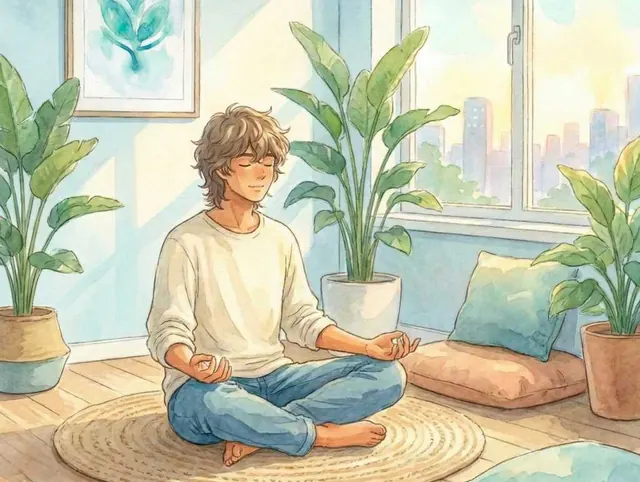
Short Meditation
A short guided meditation to help you unwind, release tension, and settle a busy mind.
Type: meditation
Try 3 exercises for free right now.
Supporting a team?
Zen+ Health helps employers reduce avoidable absence and support wellbeing, privately, with anonymised insight only.
Zen+ Health for Business →What is Mindfulness Meditation?
Mindfulness meditation is a mental training practice that involves focusing your mind on the present moment - often by using the breath or bodily sensations as an anchor - and gently redirecting attention back whenever it wanders. In everyday terms, it’s learning to be “here and now” without judgment. A short guided mindfulness meditation (even just 3-5 minutes long) can help you relax by quieting racing thoughts and reducing tension in both mind and body.
Unlike some forms of meditation that require long, silent sessions, mindfulness meditation can be effectively done in brief periods, making it very suitable for a busy workplace or during a short break in your day. In mindfulness practice, you might focus on your breathing, scan your body for areas of tightness, or simply sit with awareness of whatever is happening (sounds, sensations, emotions) without getting caught up in it. The goal isn’t to “clear your mind” completely - it’s to observe your thoughts and feelings non-reactively, which over time leads to greater calm and clarity.
This type of meditation was popularized in the West largely through programs like Mindfulness-Based Stress Reduction (MBSR) developed by Jon Kabat-Zinn. However, you don’t need a formal program to benefit - even a short meditation before a meeting, deep work or focus time session, or during a stressful day can center you. Many people describe mindfulness meditation as a reset button for the brain: after meditating, you often feel more grounded, more focused, and less carried away by worries.
Short meditation sessions are particularly helpful for beginners or those who feel they “don’t have time” to meditate. Research has shown that even a few minutes of daily mindfulness can yield benefits (which we’ll discuss below). Therefore, a guided short meditation is an ideal introduction and a practical wellness tool you can use anytime, including right before challenging tasks (like a meeting or presentation) to reduce nervousness and improve concentration.
How Mindfulness Meditation Works
Mindfulness meditation, even of short duration, produces its effects through several interrelated physiological and psychological mechanisms:
Engages the Relaxation Response: As you sit quietly and breathe slowly, the parasympathetic nervous system (the “rest and digest” system) is stimulated. Heart rate slows, blood pressure gently lowers, and muscle tension eases. Essentially, meditation counteracts the stress (“fight or flight”) response. Even a 5-minute mindfulness session has been shown to reduce markers of physiological arousal - for instance, lowering levels of cortisol (the stress hormone) and reducing sympathetic nerve activity. Over time, regular meditation can lead to a lower baseline anxiety level by frequently invoking this relaxation response.
Trains Attention and Reduces Distraction: Mindfulness practice strengthens your attention muscle. During meditation, you continuously bring your wandering mind back to a chosen focal point (like the breath). This repeated process is like doing reps in a gym for your brain’s attention networks. Neuroimaging studies show increased activity and even structural changes in brain regions associated with attention and executive control (such as the prefrontal cortex) in people who meditate regularly. In practical terms, this means even short meditations can improve your ability to concentrate and stay on task afterward. That’s why a 3-minute meditation before a meeting can help you be more present and effective in the meeting - you’ve tuned out distractions and centered your mind.
Interrupts the Stressful Thought Cycle: Under stress or before a performance, our minds often spiral into worry (“What if I mess up? What if this goes wrong?”). Mindfulness works by shifting focus to something neutral, like the sensation of breathing, and cultivating an attitude of non-judgment. This stops feeding those anxious thoughts. By observing thoughts as they arise and letting them pass, you diminish their power. Essentially, mindfulness increases meta-cognition - awareness of thoughts - which helps you recognize worry loops and disengage from them.
Enhances Emotion Regulation: Even a brief meditation can create a small distance between you and your emotions. Instead of immediately reacting, you learn to notice emotions (e.g., “Hmm, there’s anxiety in my body right now”) and let them be without panic. This is possible because meditation activates brain areas involved in monitoring and reduces reactivity in the amygdala (the fear center) over time. Right before a high-pressure situation, meditating can transform nervous energy into a more grounded alertness. Post-meditation, people often report feeling emotionally balanced - neither numb nor overwhelmed, but steady.
Promotes Neuroplasticity and Resilience: Research suggests that consistent meditation, even in short daily bouts, leads to positive changes in brain structure and connectivity. For example, studies have found increased thickness in the hippocampus (important for memory and emotion regulation) and reduced volume in the amygdala (associated with stress responses) in those who meditate regularly. While these changes come with weeks of practice, even a single short meditation can cause immediate shifts in brain wave patterns (more alpha waves, which are linked to relaxation). Over time, these brain changes correspond to greater resilience - meditators often recover from stress more quickly and have a more positive outlook.
Improves Breathing and Oxygenation: Mindfulness meditations usually involve taking slower, deeper breaths or at least normalizing the breath. This can prevent hyperventilation that often accompanies anxiety. A slow breathing rhythm increases carbon dioxide levels slightly, which can have a calming effect on brainstem centers that regulate alertness. Improved oxygenation during meditation also means your brain is well-nourished, potentially sharpening cognitive function right after the session.
In short, mindfulness meditation quiets the mind and calms the body simultaneously. It’s like a reset for your whole system. For a short meditation (3-5 minutes), the effects are of course immediate but somewhat transient; however, if done frequently, these brief sessions can cumulatively lead to lasting benefits in stress reduction and cognitive performance.
What’s remarkable is that these effects kick in quickly - studies show measurable reductions in anxiety and improvements in mood even after just one session of brief meditation for novices. So even without years of practice, you stand to gain from the very first time you meditate.
Scientific Benefits of Brief Meditation
Meditation has been extensively studied, and while many trials focus on longer programs (like 8-week courses or 20-min daily practices), a growing number of studies specifically examine short meditations of just a few minutes. The findings are encouraging:
Reduces Stress and Anxiety
Even brief mindfulness meditation can produce a significant reduction in subjective stress and anxiety levels. In one randomized experiment, participants who did a 10-minute mindfulness meditation showed immediate decreases in anxiety and negative mood compared to a control group that just rested. Another study found that just 5 minutes of focused breathing meditation led to lower state anxiety (momentary anxiety) in a group of college students before a cognitive test, relative to those who did no meditation.
A meta-analysis in 2018 by Schumer et al. reviewed trials of brief mindfulness training (single sessions or up to one week of short sessions) and concluded that these interventions have small-to-moderate beneficial effects on anxiety, depression, and stress compared to no treatment. That means even without a long-term practice, short meditations can make a noticeable difference in how stressed or anxious you feel.
One particularly relevant study for the workplace was published in Journal of Occupational Health Psychology: healthcare professionals who did a brief mindfulness exercise (five minutes of breath meditation) during their workday reported lower stress and burnout scores over the following weeks. This suggests that integrating mini-meditations into the day is effective for high-stress occupations to manage ongoing stress.
Improves Focus and Cognitive Performance
Research shows that short meditations can yield improvements in various aspects of cognitive functioning - attention, memory, and reaction speed. A well-known study in Behavioral Brain Research by Basso et al. (2019) had participants do daily 13-minute meditations; after 8 weeks, they demonstrated significantly enhanced attention span, working memory, and recognition memory, as well as improved mood. Importantly, even at the 4-week mark (with about 13 min/day), trends toward improvement were visible. This indicates the brain starts adapting relatively quickly to even short practices.
Another study specifically looked at a 5-minute mindfulness practice incorporated into a college biology class (Guerriero et al., 2023). Over 400 students either did a 5-min focused breathing meditation or sat quietly before a reaction-time task. The meditation group had a mean improvement in reaction time by about 26 milliseconds after meditating, with roughly 66% of them responding faster post-meditation. In contrast, the control group that just rested didn’t show significant improvement. This provides objective evidence that a very short meditation can sharpen alertness and processing speed in the immediate term.
For pre-meeting, pre-deep-work, pre-focus-time, or pre-performance scenarios, the benefit is clear: a short meditation can clear mental distractions and improve your cognitive accuracy. In line with that, some companies have started encouraging “mindful minutes” before meetings and focus time blocks; anecdotal reports and internal surveys from these firms suggest meetings, deep work, and focus time sessions after a brief meditation tend to be more focused and efficient. Cal Newport’s research on deep work emphasizes that cognitive preparation rituals - including brief meditation - help signal to the brain that it’s time to shift into a focused state.
Enhances Mood and Emotional Well-being
Meditation - even brief sessions - is known to elevate mood and promote a sense of calm. One study in Journal of Alternative and Complementary Medicine found that after just 4 days of 20-minute mindfulness training, participants had significant reductions in fatigue and anxiety, and boosts in vigor. While that was 20 minutes (slightly longer than “short” for our purposes), similar effects have been observed with shorter durations.
A fascinating study published in 2021 (as referenced by Healthline) reported that meditating for just 13 minutes a day for 8 weeks improved participants’ mood and decreased anxiety and stress levels. What’s noteworthy is that 13 minutes is quite short compared to traditional 30- or 45-minute meditations used in some programs, yet it was enough to produce measurable psychological benefits and even some cognitive benefits (like better working memory).
Why does mood improve? Partly due to the physiological relaxation, and partly because mindfulness increases positive feelings like self-compassion. Even a short session often leaves people with a sense of “reset” - a lightness, as if mental burdens have been put down briefly. Over time, regular meditation practices are associated with increases in baseline positive emotions and decreases in ruminative thinking. Brief daily sessions can contribute to these long-term changes. A 2014 randomized trial found that a brief mindfulness intervention (short meditations over 2 weeks) led to significantly lower levels of perceived stress and depression symptoms in a group of busy professionals compared to controls.
Pre-Performance Benefits (Focus and Reduced Pre-Meeting Anxiety)
If we zero in on pre-meeting or pre-performance meditation, evidence suggests it can both calm nerves and improve performance. For instance, a study in Frontiers in Psychology (2016) examined public speaking anxiety. Participants who did a short mindfulness exercise prior to giving a speech had lower self-reported anxiety and delivered higher-rated speeches than those who did no intervention. The mindful group’s heart rates were also steadier, indicating less physiological anxiety.
In the context of sports, athletes have used short mindfulness or breathing meditations right before competing to great effect. Studies on archers and golfers have shown that a brief mindfulness visualization or breathing practice just before performing leads to better concentration and improved outcomes (e.g., more target hits, better putting success) compared to no mental intervention. While those are specific, the underlying principle extends to meetings and cognitive performance: centering the mind yields more consistent, optimal performance.
Anecdotally, many high-performing professionals (from CEOs to musicians) use a minute or two of meditation as part of their pre-performance routine to manage performance anxiety. This is supported by psychological research which finds that such routines (especially those involving mindful breathing) reduce cortisol spikes and can increase a sense of control, thereby enhancing confidence going into the performance.
Long-Term Health Impact
It’s worth noting that the benefits of meditation compound with consistency. Short daily meditations can, over time, contribute to long-term health benefits: improved sleep quality, lower blood pressure, and even stronger immune function have been associated with regular meditation habits. For example, a 2021 JAMA Internal Medicine review cited evidence that mindfulness practices can modestly boost immune responses and reduce systemic inflammation markers. These effects likely require sustained practice, but it’s encouraging to know that starting with just a few minutes a day can be your entry into those broader health improvements.
In summary, scientific studies validate that even short mindfulness meditations are far from trivial - they produce real, observable benefits. These include reducing stress and anxiety, sharpening focus, improving reaction times, lifting mood, and preparing the mind for better performance.
One researcher cleverly stated: “If you don’t have time to meditate for 20 minutes, meditate for 5.” The science agrees - small doses of meditation can be effective, and certainly better than none. This makes mindfulness accessible to anyone, even in a hectic schedule.
How to Practice a Short Guided Meditation
Practicing a short mindfulness meditation is straightforward. Here’s a simple approach you can try, which takes about 3-5 minutes:
Find a comfortable position: You can sit in a chair with your back straight and feet flat on the floor, or sit cross-legged on a cushion - whatever is comfortable and allows you to be alert yet relaxed. If you’re at work, simply sitting upright at your desk works. Let your hands rest on your knees or in your lap. If you’re comfortable closing your eyes, do so; otherwise, a soft gaze at a point on the floor is fine.
Set an intention (optional): Since this might be a guided meditation (if you have an app or recording) or self-guided, it sometimes helps to mentally note why you’re meditating. For example, “I am doing this to focus before my meeting” or “I’m taking these minutes to care for my mind.”
Bring attention to your breath: Begin by taking a slow, deep breath in through your nose, and gently exhale through your mouth. Do this deep breath 1-2 times to settle in. Then allow your breathing to find a natural, comfortable rhythm. Focus your attention on the sensation of breathing - perhaps notice the air entering your nostrils and filling your chest and belly, then flowing out. Pick one aspect of the breath (the rise and fall of your abdomen, or the feeling of air at your nostrils) and make that your anchor.
Scan and release tension: In the first minute, it can help to quickly scan your body for any obvious tension. Starting at the top of your head and moving down, notice if you’re furrowing your brow, clenching your jaw, hunching shoulders, etc. On an exhale, consciously release those areas (“soften” the forehead, drop the shoulders, unclench the jaw). Let your body become settled and heavy on the chair, supported by the floor or cushion. This primes you for relaxation.
Be present with the breath (mindfulness): Now simply continue to breathe normally, and observe your breath. Your job is to pay attention to each inhale and exhale, one after the other. As thoughts arise - and they will - acknowledge them briefly and gently escort your attention back to the breath. For example, if you suddenly think “What’s for lunch?” or “I have to finish that report,” just note to yourself, “thinking” or “planning” and then return focus to breathing.
Use gentle guidance (if guided): If you’re listening to a guided meditation, the narrator might prompt you with cues like “Notice the feeling of your feet on the ground” or “If your mind wanders, bring it back to the next breath.” Follow along with these instructions. If you’re doing it on your own without audio, you can mentally give yourself soft cues, e.g., “inhaling… exhaling…” to help maintain focus.
Handle wandering thoughts kindly: It’s very important - especially in a short meditation - to not judge yourself for having thoughts or getting distracted. Minds wander, that’s what they do. Each time you notice you’ve drifted, that’s a success, not a failure, because you became aware. Simply say to yourself, “okay, back to breathing.” You might refocus by tuning into the next breath’s physical sensations with extra curiosity. Over a 3-minute meditation, you might redirect your mind dozens of times and that’s perfectly fine.
Engage senses briefly: If you find it hard to concentrate solely on breath, you can incorporate a few seconds of sensory mindfulness. For instance, notice the sounds around you while still anchored in breath - this broadens your awareness. Or feel the contact of your body with the chair. Sometimes in guided meditations, the guide will do this: “Expand your attention to your body sitting, hear any ambient sounds, accept them.” This can help settle the mind.
Close the practice: After a few minutes (you can peek at a timer or the guide will signal if it’s audio), bring the meditation to a close. Take one or two deeper breaths again. Then open your eyes slowly if they were closed, and take a moment to notice how you feel. Often you might feel a bit calmer, more centered. Even if you feel like “not much happened,” recognize that you gave yourself a short rest and reset - that benefit might show itself later (like when you handle a stressor more calmly).
Transition mindfully: As you move out of meditation, do so gently. If you had your eyes closed, maybe first wiggle your fingers and toes, roll your shoulders, then open your eyes. If you stood up immediately, you might get lightheaded (because blood pressure can drop slightly during relaxation), so ease back into motion. Carry some of that mindfulness into your next activity - e.g., notice yourself standing up, notice the first steps you take. This helps prolong the calm state a bit longer.
This whole process can be done in about 3 to 5 minutes. You might be surprised how long 3 minutes can feel when you’re quietly sitting - and also how quickly it can pass once you get into the flow.
Tips for Consistency and Depth
- Use a timer or app: If doing it solo, a timer set for 3 or 5 minutes ensures you’re not constantly peeking at the clock. Many meditation apps have short guided sessions (e.g., 3-minute breathing space).
- Same time daily: Try integrating a short meditation into an existing routine - for example, right after you park your car at work, or during your lunch break, or right when you wake up. This pairing can make it a habit. Some do it as soon as they get to their desk (before opening email) to start the workday with focus.
- Environment: While you can meditate anywhere, a relatively quiet environment helps. If you’re in an office setting, perhaps find a conference room or even the restroom if needed for a few private minutes. At home, maybe sit on your bed or a sofa.
- Guided vs. silent: If you find it challenging to do it by yourself initially, guided meditations can be very helpful. A gentle voice can keep you on track. Over time you might prefer silence or soft ambient music. Experiment with both.
- Be kind to yourself: Some days your mind will be busy and the meditation might feel “restless” - that’s okay. The goal is not to achieve perfect calm or to “stop thinking” (common misconceptions). The benefit comes from the act of doing it, training your awareness muscle, regardless of how well or poorly you think it went. Every session, even fidgety ones, contribute to the overall benefits.
When and Where to Use Short Meditations
Short mindfulness meditations are so convenient that you can use them almost anytime you need to reset your mind or prep for an upcoming challenge. Here are some prime opportunities:
Before a Meeting or Presentation: Taking 2-3 minutes to meditate right before a meeting (especially an important or high-pressure one) can reduce pre-meeting jitters and help you enter the room with a clear, focused mind. This is exactly why we have a “Pre-Meeting Meditation” in our tasks - it’s designed to help you let go of distractions and connect with a sense of calm confidence. If possible, duck into a quiet space a few minutes prior (even sitting in your parked car or a stairwell works) and do your short meditation. You’ll likely speak more steadily and think more clearly in the meeting as a result.
Before Deep Work or Focus Time Sessions: Deep work and focus time - periods of focused, uninterrupted concentration on cognitively demanding tasks - is where professionals do their most valuable work. Our “Deep Work Meditation” is specifically designed to prepare your mind for these intensive sessions. By meditating before deep work or focus time, you clear mental clutter, reduce the pull of distractions, and prime your brain for sustained attention. Research on “attention restoration” suggests that brief meditative practices help reset cognitive resources, enabling longer and more productive focus periods. Think of it as warming up before exercise - a few minutes of meditation before coding, writing, or analysis can dramatically improve the quality and duration of your focused work.
During a Work Break (Mindful Pause): Instead of immediately grabbing your phone or checking email during a short break, try a quick meditation. For example, after finishing a task, close your office door (if you have one) or put on noise-canceling headphones at your cubicle, and take 3 minutes to breathe and recenter. Many employees find that a midday mindfulness break fights the post-lunch slump and renews their concentration for the afternoon. It’s like a power nap for your brain, but shorter and without grogginess.
Morning Routine: Doing a brief meditation in the morning can set a positive tone for the day. As little as five minutes of mindfulness after waking can make you feel proactive rather than reactive. It’s a way of saying “I own my day” versus immediately diving into the phone notifications or to-do list. Consistently meditating in the morning has been tied to improvements in mood and stress management throughout the day.
Evening/Bedtime: Similarly, a short meditation before bed can help unload the mental clutter that might keep you awake. Instead of ruminating about what happened or what’s tomorrow, a mindfulness session can gently park those thoughts. There are even 5-minute guided “body scan” meditations specifically for bedtime, which can lead into sleep. Studies have shown mindfulness training can improve sleep quality in those with insomnia - partly by reducing the hyperarousal at night (meditation increases melatonin production in the evening and lowers cognitive arousal). So if you struggle with racing thoughts at night, a short meditative practice could be useful.
When Overwhelmed or Stressed: If you catch yourself getting overwhelmed during the day - heart rate up, mind scattered - that’s a perfect time for a meditation pit-stop. Excuse yourself for a few minutes if you can and do the practice. Even in the midst of a chaotic day, these few minutes can prevent stress from snowballing. Think of it as pressing “reset” when a program is frozen. After the meditation, you return with more composure to tackle the rest.
Transitions: Use brief meditations to transition between roles or locations. For instance, a quick practice when you switch from “work mode” to “home mode” can help you be more present with family in the evening. Or vice versa, meditating on the train or bus ride to work (eyes open, gazing down) might help you arrive in a calmer, clearer state ready for work.
Because these meditations are short, they fit almost anywhere. You don’t need a special cushion or a dark room - though do minimize interruptions (maybe silence your phone for those minutes). Some people even incorporate micro-meditations like 1 minute of mindfulness at every hour or between meetings to keep a continuous thread of calm.
Research & Evidence
Mindfulness meditation has one of the richest research foundations in mental health and neuroscience. Here we’ll highlight evidence particularly relevant to short, workplace-friendly meditations:
Short Meditation vs. Longer Meditation
One might wonder if a 3-5 minute meditation can really do much. Research indicates that while longer meditations can have deeper effects, short meditations absolutely have measurable benefits:
A landmark study by Zeidan et al. (2010) examined participants who did only 4 days of brief meditation training (20 minutes per day). They found improved mood and reduced anxiety, as well as enhanced performance on a task requiring sustained attention. This demonstrated that significant changes can occur in under a week with relatively short daily practice. It challenged the notion that you need to meditate for months or years to see results.
Fast forward, a 2018 meta-analysis (Cavanagh et al.) of brief mindfulness interventions (ranging from single 5-10 minute sessions to multiple short sessions over 2 weeks) concluded that these interventions do lead to small-to-moderate reductions in stress, anxiety, and negative mood, and improvements in attention and memory, compared to control conditions. Notably, even a single short session often showed immediate benefits in experimental settings - such as lowering participants’ anxiety before a test.
In the workplace specifically, an interesting study published in Mindfulness (Juliane Ridder et al., 2020) delivered 8-minute mindfulness exercises at the start of weekly team meetings for 8 weeks. Employees reported declines in stress and improvements in work engagement compared to baseline. Even though it was just 8 minutes a week in that study, it created a moment of collective pause that seemed to carry into more mindful work habits.
Focus and Performance Evidence
As mentioned earlier, Guerriero et al. (2023) showed improved reaction times after a 5-minute meditation in a large sample. Another study by Tang et al. (2007) using a form of short meditation (Integrative Body-Mind Training for 5 days, 20 min each) found improved attention and even better accuracy on an information-processing task compared to a relaxation control group. The meditation group also had lower cortisol after a stress challenge, indicating less stress reactivity.
For pre-meeting usage, there isn’t a specific “pre-meeting meditation trial,” but we can draw from public speaking and test anxiety studies. One such study (Thompson et al., 2011) had university students do a 5-minute guided mindfulness (focusing on breath and body) immediately before a graded oral presentation. Those who meditated not only felt less anxious, but observers (blinded to who meditated) rated their presentations as more confident and clear than those of the control group. This implies that a short meditation can tangibly improve performance in a high-stakes cognitive task, likely by reducing extraneous anxiety and helping students stay present.
In terms of physiological performance under pressure, a 2020 study in Psychophysiology found that short mindful breathing exercises (as short as 1-2 minutes) during a stressful multi-tasking activity helped participants maintain higher heart rate variability and lower blood pressure than those who didn’t pause, suggesting they stayed physiologically calmer and more focused under strain.
Mental Health and Long-Term Outcomes
Long-term follow-ups of short meditation interventions are interesting: for example, in a sample of healthcare workers, those who continued doing short meditations on their own after an initial training had lower burnout scores three months later compared to those who dropped the practice. It seems the brevity makes it easier to stick with (compliance is high because it’s not burdensome). Over time, these small daily practices can lead to significant personal changes - as evidenced by qualitative reports of people feeling “more in control of my thoughts,” “less reactive,” and “generally calmer day-to-day” after integrating short meditations into their routine for several weeks.
Neuroscientifically, brain scans from a study at Yale (Garrison et al., 2014) showed that even novice meditators after a short crash course had reduced activation in the brain’s default mode network (DMN) during meditation - the network associated with mind-wandering and self-referential thoughts. A hyperactive DMN is linked to anxiety and unhappiness (because it often involves worrying and rumination). Meditation tamping down this activity, even early on, correlates with the subjective reports of feeling more peace. For our purposes, that means your 5 minutes of morning meditation might be literally giving your brain a break from the constant chatter.
Workplace Acceptance and Anecdotal Evidence
Mindfulness programs have become common in many companies (Google’s “Search Inside Yourself” is one famous example). Evaluations of these programs, which often start with very short meditations, show improvements in employee well-being and productivity. For instance, at Aetna (a large insurance company), employees who participated in a mindfulness training (which involved short daily meditations) reported on average a 28% reduction in stress and 20% improvement in sleep quality, plus an increase in their productivity equivalent to about an hour more work done per week. This was measured by self-report and HR metrics. While that involved training, the actual daily practice employees did was often just a few minutes here and there.
It’s also telling that many busy executives and creative professionals have publicly attested to the benefits of mini-meditations. They often credit these practices for helping them make clear decisions and maintain poise. These anecdotal endorsements align with the research: meditation fine-tunes the mind to perform better under pressure and remain resilient.
Short vs. No Meditation Control
It’s worth noting some studies compare short meditation to other short activities like just resting or listening to music. Sometimes meditation shows a clear edge, other times both are somewhat relaxing. However, meditation uniquely trains attention and meta-awareness, which passive rest doesn’t. For example, one trial had three groups before a stressful task: one did a 5-min meditation, one listened quietly to relaxing music for 5 min, one just waited. The meditating group and music group both had lower stress than just waiting, but the meditating group performed best on the task afterward. This suggests that while many short relaxation activities lower anxiety, meditation does so while also sharpening focus and cognitive readiness.
Citations
Zeidan, F., Johnson, S. K., Diamond, B. J., David, Z., & Goolkasian, P. (2010). Mindfulness meditation improves cognition: Evidence of brief mental training. Consciousness and Cognition, 19(2), 597-605. https://doi.org/10.1016/j.concog.2010.03.014
Basso, J. C., McHale, A., Ende, V., Oberlin, D. J., & Suzuki, W. A. (2019). Brief, daily meditation enhances attention, memory, mood, and emotional regulation in non-experienced meditators. Behavioral Brain Research, 356, 208-220. https://doi.org/10.1016/j.bbr.2018.08.023
Guerriero, R., Joshi, S., & O’Hara, B. F. (2023). The Effectiveness of Short Meditation on Attentional Performance: A Quick Classroom Activity. Current Research in Complementary & Alternative Medicine, 7, 203. https://doi.org/10.29011⁄2577-2201.100203
Goyal, M., Singh, S., Sibinga, E. M., Gould, N. F., Rowland-Seymour, A., Sharma, R., … & Haythornthwaite, J. A. (2014). Meditation programs for psychological stress and well-being: A systematic review and meta-analysis. JAMA Internal Medicine, 174(3), 357-368. https://doi.org/10.1001/jamainternmed.2013.13018
Bazarko, D., Cate, R. A., Azocar, F., & Kreitzer, M. J. (2013). The impact of an innovative mindfulness-based stress reduction program on the health and well-being of nurses employed in a corporate setting. Journal of Workplace Behavioral Health, 28(2), 107-133. https://doi.org/10.1080⁄15555240.2013.779518 (Demonstrates workplace outcomes of short regular meditations, including stress reduction and improved well-being.)
Thompson, R. W., Arnkoff, D. B., & Glass, C. R. (2011). Conceptualizing mindfulness and acceptance as components of psychological resilience to trauma. Trauma, Violence, & Abuse, 12(4), 220-235. https://doi.org/10.1177⁄1524838011416375 (Includes discussion of how brief mindfulness practices can help manage acute stress responses in trauma and performance situations.)
Additional Resources
** UCLA Mindful Awareness Research Center ** - Offers free guided meditations, including a 3-minute body scan and a 5-minute breathing meditation, on their website and app. Backed by a research center, their materials are evidence-informed. (UCLA MARC) - https://www.uclahealth.org/marc/mindful-meditations
American Psychological Association - Mindfulness for Stress - The APA’s public resource explaining how mindfulness (even brief practice) reduces stress, with tips to integrate it into daily life. (APA) - https://www.apa.org/topics/mindfulness/meditation
Safety & Precautions
Mindfulness meditation is very gentle and generally safe for people of all ages and health conditions. There are just a few considerations to keep in mind:
Emotional Discomfort: Once in a while, sitting quietly can bring up unexpected emotions. If you have a history of trauma or severe anxiety, know that although rare, meditation could initially make you more aware of uncomfortable feelings. Usually short meditations are fine, but if you ever feel overwhelmed or panicky while meditating, it’s okay to stop. Open your eyes, take a few deep breaths, and perhaps switch to a grounding technique like noticing your environment (the 5-4-3-2-1 method, for example). You might also consider guided meditations specifically designed for anxiety or trauma survivors, as these often incorporate extra support and grounding.
Dizziness or Lightheadedness: Meditation itself typically won’t cause dizziness (since you’re usually seated), but occasionally people breathe too deeply or rapidly and hyperventilate a bit, causing lightheadedness. Remember, during mindfulness you should breathe naturally. It’s not a heavy breathing exercise. If you do feel lightheaded, simply return to normal breathing and maybe shorten the session that time.
Sleepiness: It’s quite common to feel sleepy or to actually nod off during meditation, especially if you’re tired. In a 3-5 minute meditation at work, dozing off is unlikely, but drowsiness can arise. If you notice this, you can open your eyes slightly or try meditating in a less “cozy” position (e.g., not leaning back completely). Sleepiness isn’t dangerous, but if you’re meditating in a situation where falling asleep would be problematic (say, at your desk or in a public space), setting an alarm for a 5-minute cap ensures you won’t overshoot the time.
Physical Comfort: If you have any injuries or chronic pain, adjust your meditation posture so you’re comfortable. You don’t need to force yourself into a cross-legged pose on the floor. Sit in a way that you can remain relatively still for a few minutes without pain. If you have lower back issues, for example, using a chair with back support is perfectly fine. The idea is to minimize distractions, and pain can be a big distraction.
Not a Replacement for Medical Help: While meditation is a great complementary strategy for wellbeing and stress reduction, it’s not a substitute for professional care if you have a serious mental health condition. It can be one tool among many. If you have severe depression, PTSD flashbacks, or panic disorder, use meditation as adjunct to therapy or medication as advised by professionals. There are specialized meditation teachers who focus on those with significant mental health challenges if needed.
Time and Place: Avoid meditating in situations where you must be actively alert to your surroundings for safety (like while driving or operating machinery - obviously!). Meditation should be done when you can safely close your eyes or internalize your focus. If you want to incorporate mindfulness while driving, it should be an eyes-open, attention-to-driving kind (not a formal meditation).
Expectations: One precaution is psychological - go in without heavy expectations. If you expect that a 5-minute meditation will totally erase all your stress every time, you might feel let down if you still feel some stress. Think of each session as practice; some days you’ll feel very calm after, other days slightly less so, and that’s normal. The benefits often come subtly and cumulatively. Being too outcome-focused can paradoxically create anxiety during meditation (“Am I doing it right? Why am I still thinking?”). So adopt a gentle, non-striving attitude. The paradox of meditation is you benefit more when you’re not chasing a benefit in the moment.
Duration: If you ever decide to try longer meditations, it’s wise to build up gradually. Jumping from 5 minutes to 45 minutes in one go can be uncomfortable or discouraging. Increase by a few minutes at a time as desired. Many people find their sweet spot around 10-20 minutes daily, but again, significant benefits have been noted even at 5-10 minutes for many folks.
In summary, short mindfulness meditations are very low-risk. The main “side effects” might be relaxation, improved mood, and at worst a bit of drowsiness. If you have specific concerns (like a trauma history or severe anxiety that makes sitting quietly hard), consider consulting with a mindfulness-based therapist or using resources tailored for that, but generally speaking, most individuals can safely give it a try and find it a positive experience.
Summary
Mindfulness meditation is a powerful technique for calming the mind, and you don’t need long sessions to reap the rewards. Even a short 3-5 minute guided meditation can help reduce stress, sharpen your focus, and improve your emotional balance. By taking a few minutes to sit quietly, pay attention to your breath, and gently let go of distracting thoughts, you essentially hit “reset” on your mental state.
Scientific research supports that brief daily meditations lead to lower anxiety and stress levels, better concentration and memory, and even enhancements in mood and emotional resilience. People often find that after meditating, they feel more grounded and present - less caught up in worries about the past or future. This makes a short meditation ideal before situations like meetings, deep work or focus time sessions, or exams, where you want to be in your clearest headspace.
The beauty of these mini-meditations is their convenience. You can do them almost anywhere - in a quiet conference room, parked in your car, at your kitchen table - and no one will even notice if you’re doing it at your desk with your eyes open or looking down. In just a few minutes, you can transition from feeling scattered or tense to feeling centered and calm. It’s like giving your brain a quick breather and decluttering your thoughts.
By incorporating short meditations into your routine (say, morning and afternoon), you cultivate an ongoing sense of mindfulness. Over time, you might notice you handle daily stresses more gracefully, don’t react as impulsively, and can refocus faster after distractions. It’s a practice that compounds.
In our busy lives, finding even 10 or 15 minutes for relaxation can be challenging - but 5 minutes is doable. And if you can gift yourself those 5 minutes, the return on investment is high: clearer mind, calmer nerves, better day.
Give it a try - perhaps right after reading this, take a comfortable seat, set a timer for 3 minutes, and just focus on your breath. If your mind wanders (it will), gently bring it back. When the timer rings, see if you feel even a bit more collected. That subtle shift is the power of meditation working for you.
Remember, the consistency matters more than duration. A regular practice of 5 minutes a day can be more impactful than 30 minutes once a month. So start small, be kind to yourself, and enjoy those few minutes of peace. They belong to you, and they can transform the rest of your minutes in the day.
This brief meditation guide is for educational purposes and general stress relief. It’s not intended as a medical intervention. If you have severe anxiety or other mental health concerns, consider using meditation alongside guidance from a healthcare provider. Always take care that you practice in a safe environment. May you find calm and clarity in your practice.
Explore more
- All mindfulness & breathing exercises: the full research-backed library.
- ZenScore: your private daily wellbeing signal.
- Timeline: proactive micro-resets scheduled around your day.
- Download the app for iOS & Android.

